Reading Interest Survey
I
am currently teaching first grade and work with students that range on many
different reading levels. Students in first grade are beginning readers.
According to chapter two, “Books for beginning readers should connect to children’s
interests, experiences, and reading abilities to support them in their initial
reading experiences” (Lynch Brown et al., 2014, p. 17). My district requires us
to use the Scholastic Reading Program during guided reading. This gives the
students a reading interest survey to fill out before they begin reading in my
classroom. It allows me to learn about my students’ interests.
In
the beginning of the school year, I like to quickly survey my class by having
students who like to read stand on one side of the room, and students that do
not like to read stand on the other side of the room. It is surprising to me
that students who do not even know how to read yet already have a predetermined
idea that they don’t like to read. This year, I have a lot of students who like
to read and only a handful that do not. I noticed that many of the students who
do not like to read are boys.
For
this assignment, I chose to work with my student Johnny.* Johnny filled out the
survey from blackboard, “My Feelings About Reading.” Based on his answers, he
does not like to read, he does not read at home, he doesn’t think that reading
is fun, reading is hard for him, he does not like to read long stories, and he
thinks that reading is boring. On a positive note, Johnny likes picture books,
he likes someone to read to him, and he has enjoyed the books we read in
school. I have also gathered additional information from the reading interest
survey from Scholastic. Based on this survey, Johnny likes to read about bugs,
reptiles, football, famous people, transportation, and volcanoes. I know that
Johnny plays football for the recreation center and loves the New York Giants.
He gets excited about football and is very interested to learn more about it.
The
books that I have chosen for Johnny are mostly read alouds because he tested on
a level A, which means that he is a struggling reader. Johnny also expressed
that he likes someone to read to him. Considering that Johnny does not read at home, I have added a book that his parents can read to him before he goes to sleep. I have also found a book that Johnny will
be able to independently read because it is a repetitive and predictable book
with familiar words that is on his reading level. Chapter two states,
“easy-to-read books and predictable books make use of familiar words, word and
sentence patterns, illustration clues, and rhyme to make the text easier to read”
(Lynch Brown et al., 2014, p. 17). If Johnny reads books that are on his
reading level, he won’t think that reading is too hard for him.
Here
are some books that I recommend for Johnny to read based on the reading
interest surveys he has completed:

Arnold, T. (2008). Hooray for fly guy! New York: Scholastic.

Barton, B. (2001). My car. New York: Greenwillow Books.
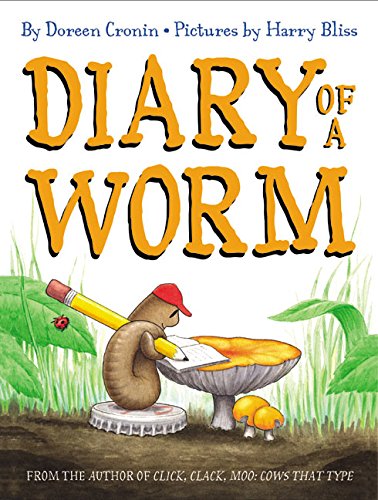
Cronin, D., & Bliss, H. (2003). Diary of a worm. New York: Joanna Cotler Books.
Cronin, D., & Bliss, H. (2003). Diary of a worm. New York: Joanna Cotler Books.
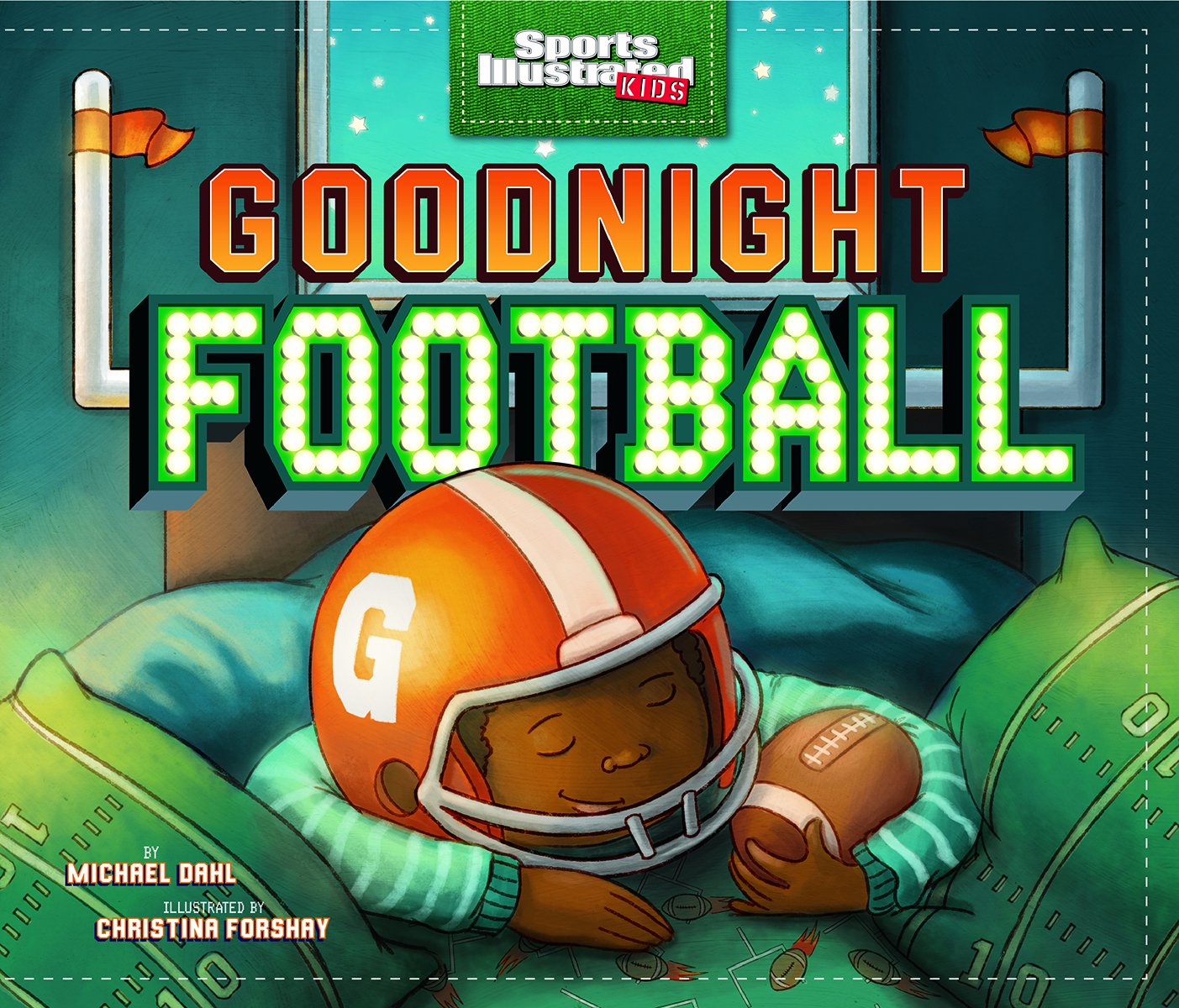
Dahl, M., & Forshay, C. (2004). Goodnight football: Capstone Young Readers.

Manning, P., & Manning, E. (2009). Family huddle. New York: Scholastic Press.
 Orloff, K., & Catrow, D. (2004). I wanna iguana. New York: Putnam.

Schreiber, A. (2008). Volcanoes! Washington, D.C.: National Geographic.
Lynch-Brown, C., Short, K., & Tomlinson, C. (2014). Essentials
of children's literature. Upper
Saddle River, NJ:
Pearson Education.


